

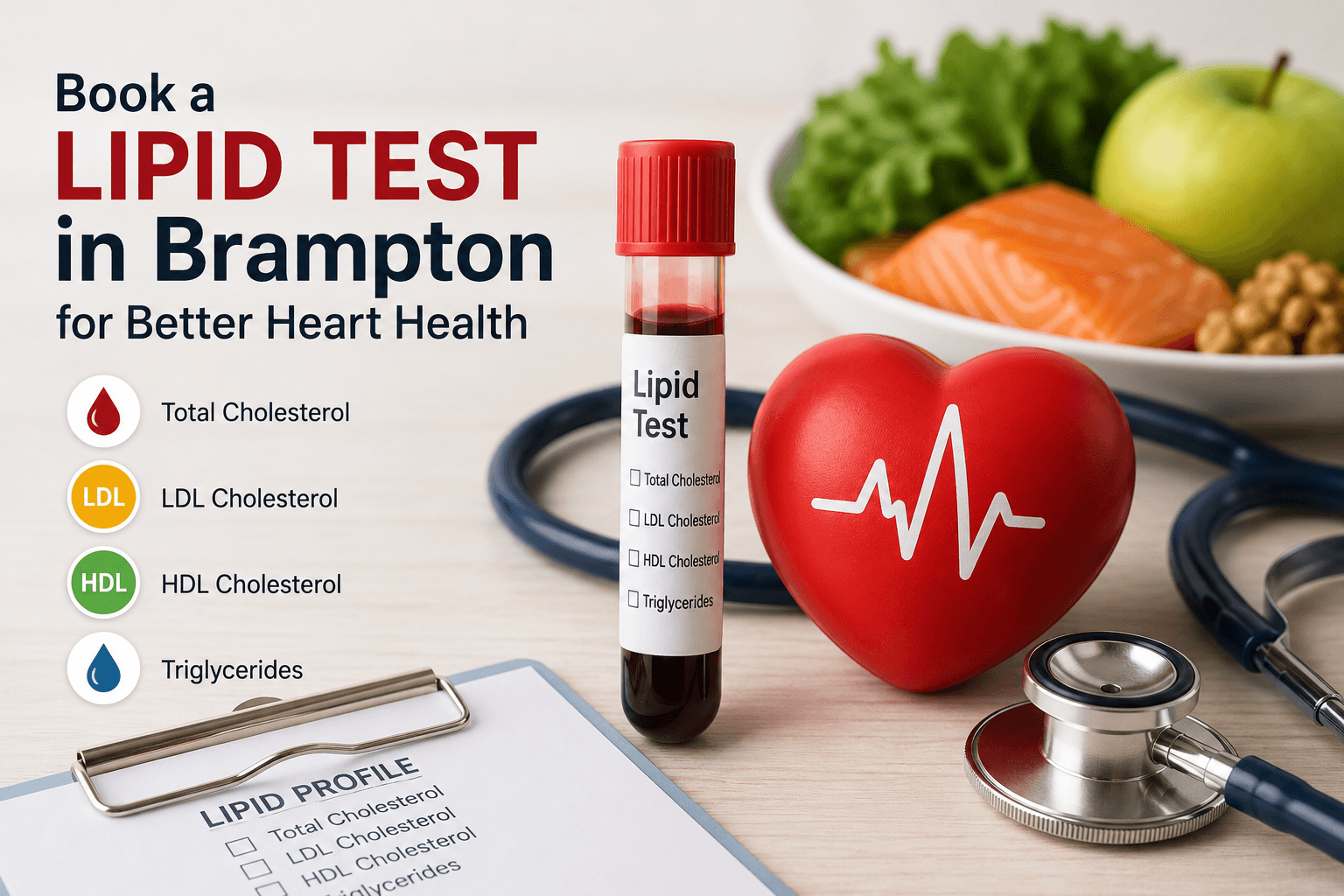
Lipid Test in Brampton for Better Heart Health
Heart disease remains one of the leading causes of death in Canada, and much of the risk builds up quietly inside the blood vessels long before any symptoms appear. A lipid test is one of the simplest ways to check that risk. It measures the fats circulating in the blood and gives a doctor or pharmacist a clear picture of how the heart and arteries are being affected over time.
For residents of Brampton, this kind of screening is now widely accessible through local clinics and pharmacies, making it easier to monitor cholesterol levels without a long wait for a hospital appointment.
What Is a Lipid Test
A lipid test is a blood test that measures the amount of cholesterol and triglycerides in the bloodstream. These are fatty substances the body needs in small amounts for building cells and producing hormones. When levels rise too high, fat can build up inside the artery walls and narrow the space blood needs to flow through.
The standard panel reports four main numbers:
Total cholesterol, the combined amount of all cholesterol in the blood
LDL cholesterol, often called the harmful type because it contributes to artery buildup
HDL cholesterol, the helpful type that carries excess cholesterol away from the arteries
Triglycerides, another type of fat linked closely to diet and metabolism
Together, these numbers help a healthcare provider judge how likely a person is to develop heart disease or stroke in the coming years.
Why Heart Health Depends on Lipid Levels
The heart relies on a steady, unobstructed flow of blood through the coronary arteries. When cholesterol and triglyceride levels stay high for years, fatty deposits called plaque can form along artery walls. Over time, this narrows the arteries and reduces blood flow to the heart muscle. In some cases, a piece of plaque can break off and block an artery entirely, leading to a heart attack.
This process, known as atherosclerosis, usually develops silently. A person can feel completely healthy while plaque quietly builds up inside their arteries. This is precisely why routine cholesterol screening matters so much. It catches a problem that has no early warning signs and gives people time to make changes before serious damage occurs.
Understanding Cholesterol and Triglycerides
Cholesterol and triglycerides serve different roles in the body but are measured together because both affect cardiovascular risk.
Cholesterol travels through the blood attached to proteins, forming particles known as lipoproteins. LDL particles tend to deposit cholesterol into artery walls, while HDL particles remove cholesterol and carry it to the liver for disposal. A high LDL reading combined with a low HDL reading generally points to greater risk.
Triglycerides come mainly from the food a person eats, particularly sugar, refined carbohydrates, and alcohol. When the body takes in more calories than it burns, the extra calories are converted into triglycerides and stored in fat cells. High triglyceride levels, especially alongside low HDL, are linked to a greater chance of heart disease.
Who Should Get Tested
Health guidelines in Canada generally recommend cholesterol screening for adults starting around age 40, or earlier if certain risk factors are present. These risk factors include:
A family history of heart disease or high cholesterol
Diabetes or prediabetes
High blood pressure
Being overweight or carrying extra weight around the waist
Smoking
A sedentary lifestyle
A diet high in saturated fat and processed foods
People who already have heart disease, have had a stroke, or take cholesterol medication typically need repeat testing on a regular schedule to track how well their treatment is working. Even younger adults with none of these risk factors can benefit from an initial reading to establish a baseline.
How the Test Is Performed
The screening requires only a small blood sample, usually drawn from a vein in the arm. The sample is sent to a laboratory, where the different fat components are measured and calculated. Results are typically ready within a day or two, and many clinics and pharmacies in Brampton can review them with the patient soon after.
The procedure itself takes only a few minutes and involves minimal discomfort, similar to any routine blood draw. No special equipment or recovery time is needed afterward, and most people can return to their normal activities right away.
Preparing for the Appointment
Some cholesterol tests require fasting for nine to twelve hours beforehand, since eating can temporarily raise triglyceride levels and slightly affect other readings. During this fasting period, water is allowed, but food, sugary drinks, and alcohol should be avoided.
Not every appointment requires fasting. Some newer testing protocols allow for non-fasting samples, particularly when only total cholesterol and HDL are being checked. A pharmacist or doctor can confirm which version of the test is being ordered and whether fasting is necessary beforehand.
Other useful steps before the appointment include avoiding heavy exercise the day before, staying well hydrated, and continuing any prescribed medications unless told otherwise by a healthcare provider.
Interpreting the Results
Results are usually reported in millimoles per liter in Canada. General target ranges include total cholesterol below 5.2, LDL below 3.4 for most adults and lower for those at higher risk, HDL above 1.0 for men and 1.3 for women, and triglycerides below 1.7.
These numbers are only part of the picture. A healthcare provider will also weigh age, blood pressure, weight, smoking status, and family history before deciding whether treatment or lifestyle changes are needed. A single high reading does not automatically mean a person has heart disease, and a normal reading does not guarantee the absence of risk. Because of this, results are best reviewed with a professional who can explain what they mean for that individual's overall health.
Where to Book a Lipid Test in Brampton
Several pharmacies and clinics across Brampton now offer cholesterol screening without requiring a hospital visit or a long wait for a specialist referral. Praxora Pharmacy is one such location that provides on-site testing as part of its broader preventive health services, alongside blood pressure checks and general wellness consultations. Patients can typically walk in or book an appointment in advance, complete the blood draw, and review the results with a pharmacist who can explain what the numbers mean and suggest next steps.
Community pharmacies of this kind have become a practical option for routine screening because they combine convenient hours with direct access to a trained healthcare professional, reducing the need for a separate doctor's visit just to arrange a blood test. For many Brampton residents balancing work and family schedules, this local option removes one of the common barriers to keeping up with regular checkups.
Final Thoughts
A lipid test is a small, quick step that can reveal a great deal about long-term heart health. Because high cholesterol and triglycerides rarely cause noticeable symptoms, regular testing remains one of the few reliable ways to catch a developing problem early. For Brampton residents, local pharmacies and clinics have made this screening more accessible than ever, allowing people to check their numbers, understand their risk, and take informed steps toward protecting their cardiovascular health over the years ahead.